Table of Contents
- Why Remote Business Premises Face Higher Security Risks in 2026
- 1. Manned Guarding for Industrial Sites
- 2. CCTV Monitoring for Remote Premises
- 3. Keyholding Services for Businesses
- 4. Access Control and Perimeter Hardening
- 5. Integrated Security Management and Incident Response
- Conclusion: Building a Layered Defence for Remote Sites
- Frequently Asked Questions
Last Updated: October 4, 2026
Why Remote Business Premises Face Higher Security Risks in 2026
Remote business security has become the defining challenge for operations and facilities managers this year. According to Stealth Agents’ 2026 report on remote work cybersecurity, the average cost of a remote work-related security breach has reached $1.07 million. That figure should stop any operations manager cold.
At Crown Security, we have spent over 20 years protecting industrial sites, warehouses and construction compounds, and the pattern is clear: the further a site sits from a manned head office, the more exposed it becomes. Below, we break down the five measures that actually reduce risk in 2026, from manned guarding to integrated response planning.
The Shift to Decentralised Operations
Businesses now run stock, tools and plant across multiple sites, often with nobody on the ground overnight. A single unmonitored compound can lose tens of thousands of pounds in copper, cabling and machinery in one weekend.
What the Latest Data Reveals
The threat landscape has shifted too. Research from Unit 42’s Global Incident Response Report shows security leaders must reduce exposure by securing the application ecosystem, particularly third-party dependencies. Physical and digital risk now overlap, and treating them separately leaves gaps.
Remote business security works best as layers: a visible physical presence, monitored surveillance, rapid alarm response, controlled access and one coordinated management system. Remove any layer and the others carry more strain.
1. Manned Guarding for Industrial Sites
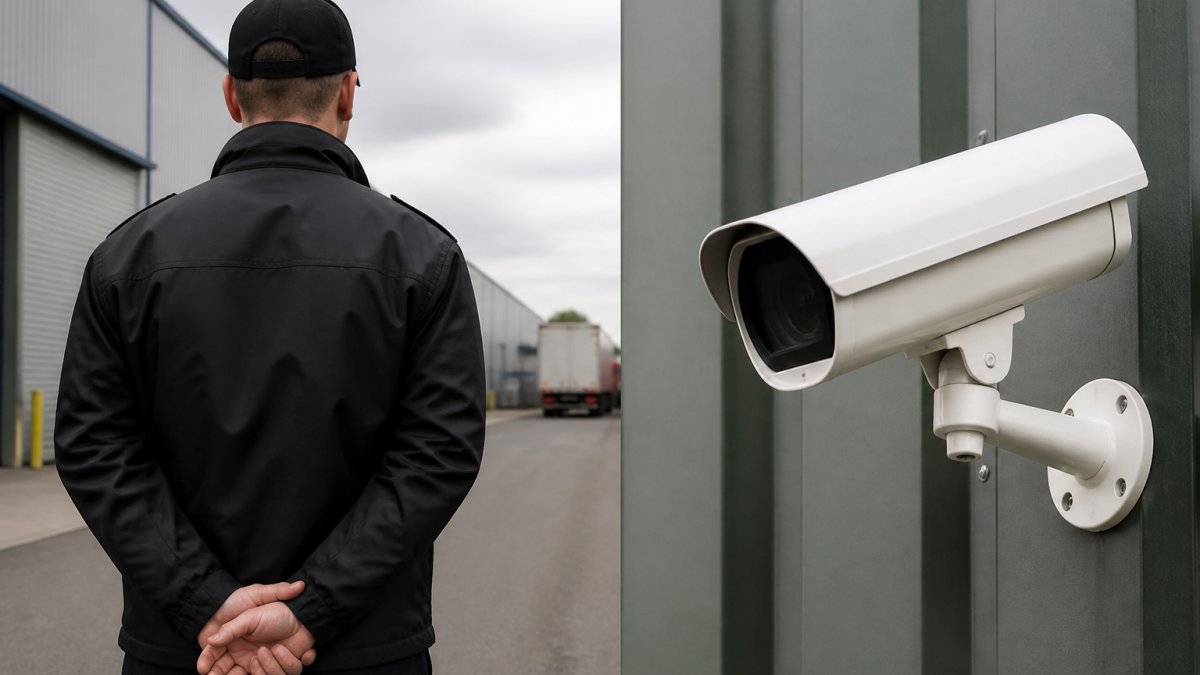
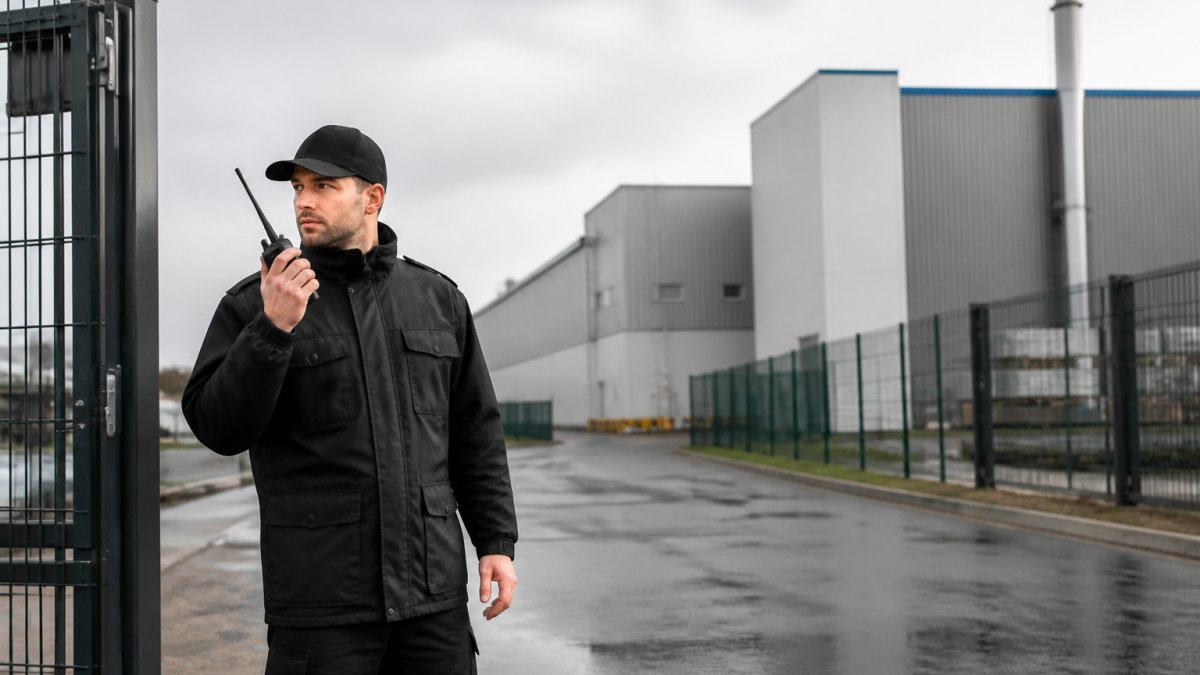
Manned guarding for industrial sites remains the most effective deterrent against theft and trespass. A visible, SIA-licensed officer on site changes how intruders assess risk, and no camera replicates that.
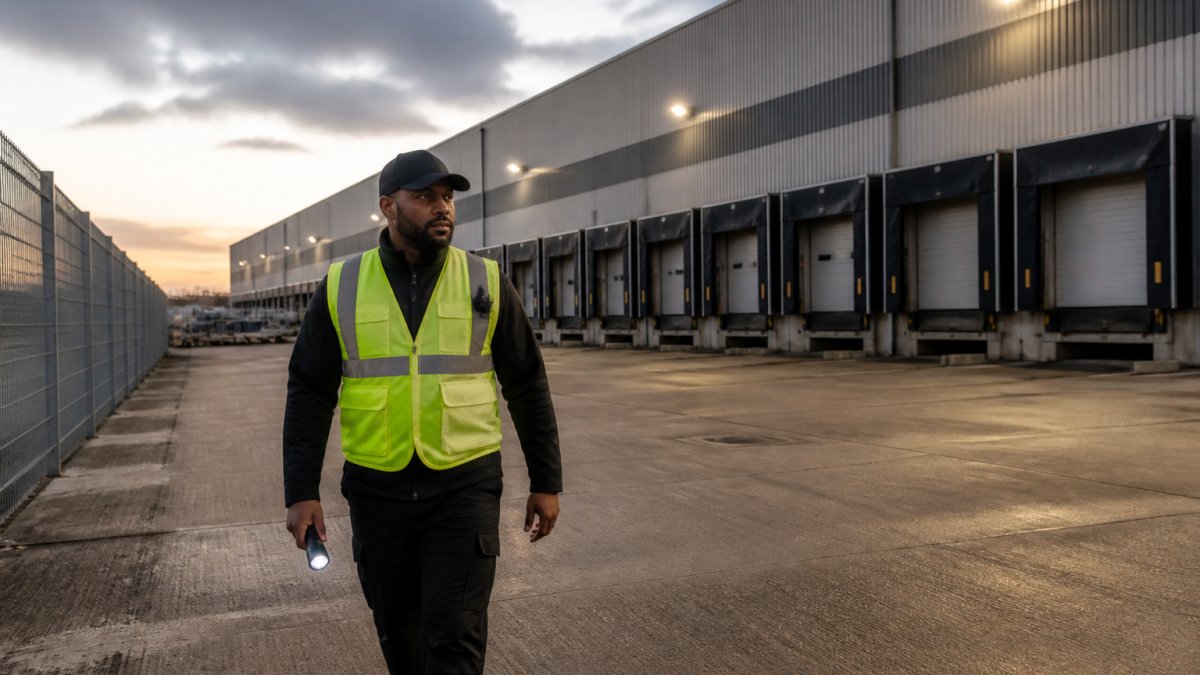
(/24-hour-control-room/), and a provider that matches officers to your site rather than rotating whoever is available. Consistency matters more than headline rates.
Cost Considerations and Staffing Consistency
Pricing depends on hours, site size and shift patterns, so ask for a quote rather than accepting a generic figure. High staff turnover is the hidden cost: new guards mean protocols get missed.
2. CCTV Monitoring for Remote Premises
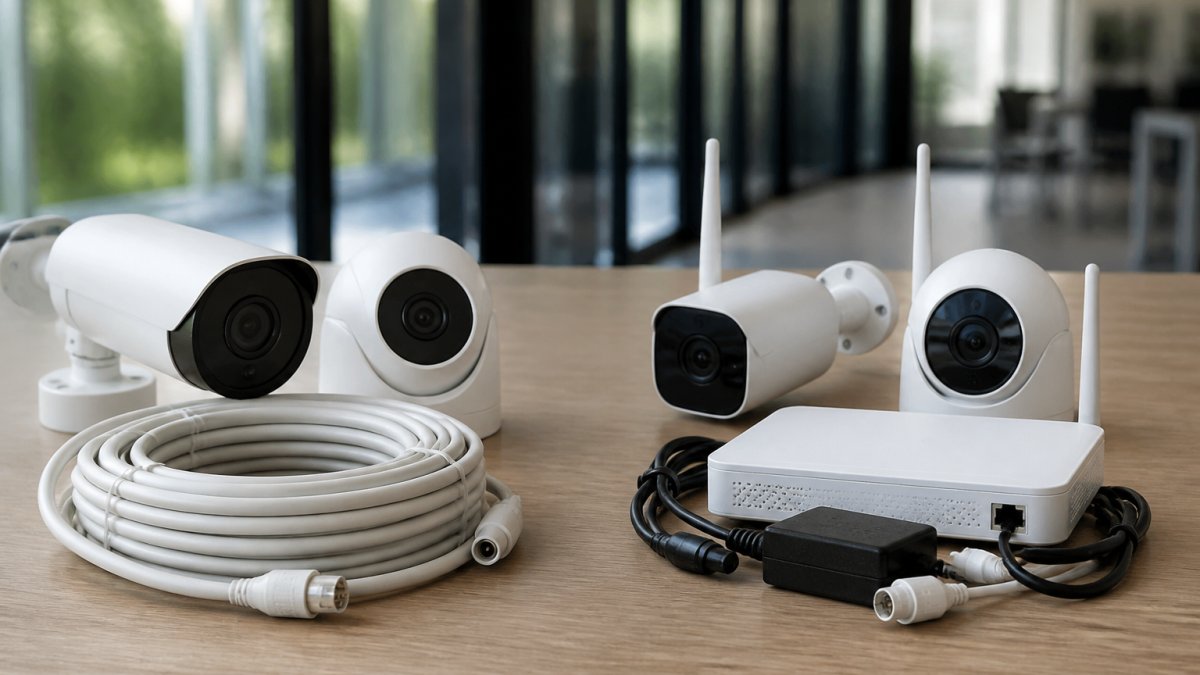
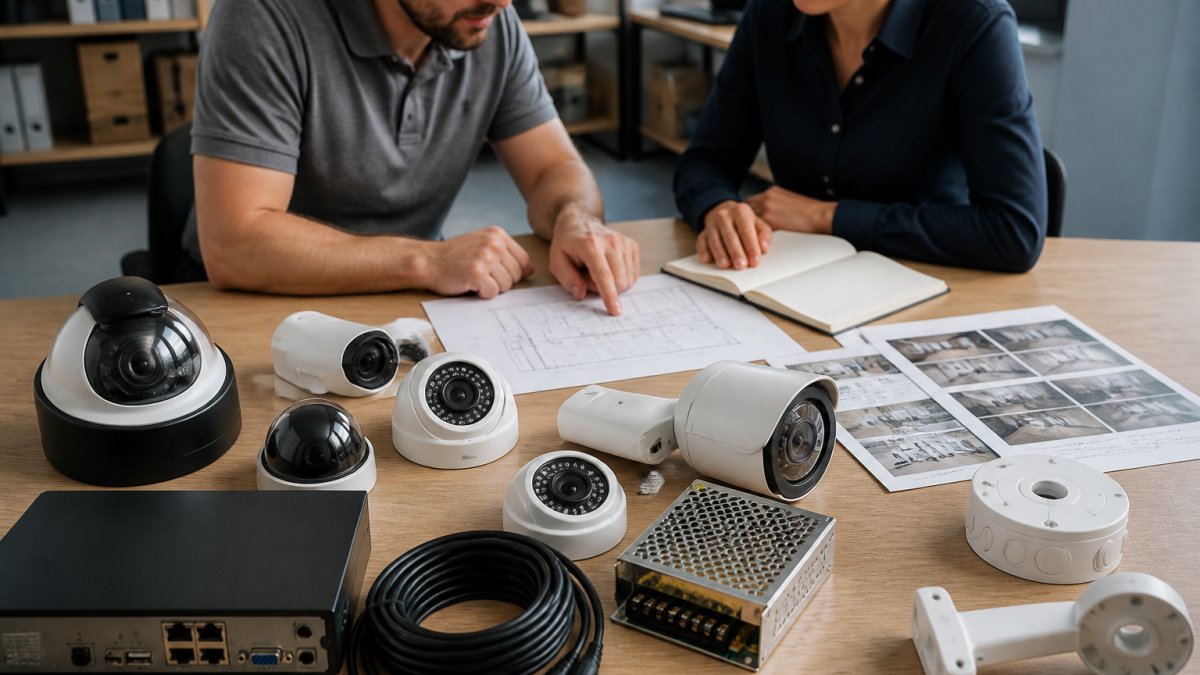
CCTV monitoring for remote premises gives you eyes on site when nobody is there. The technology only pays off when cameras cover the right zones and someone watches the footage in real time.
Camera Placement and Coverage Strategy
Prioritise entry points, loading bays, fuel stores and perimeter gates. Overlap coverage so blind spots cannot be exploited.
Real-Time Monitoring vs Recorded Footage
Recorded footage helps after an incident. Real-time monitoring prevents one. For high-value sites, live monitoring with automated alerts is worth the additional investment.
3. Keyholding Services for Businesses
Keyholding services for businesses put alarm response in professional hands. Instead of staff attending a 3am activation, a trained responder attends, checks the site and secures it.
Alarm Response Times and What Affects Them
Response speed depends on proximity, traffic and how many sites a provider covers. Ask how response times are measured and reported, and get it in writing.
| Measure | Primary Purpose | Best For | Ongoing Cost Profile |
|---|---|---|---|
| Manned guarding | Visible deterrent and on-site response | Industrial and construction sites | Highest, priced per shift |
| CCTV monitoring | Remote surveillance and evidence | Large perimeters, multi-site estates | Moderate, monitoring subscription |
| Keyholding | Out-of-hours alarm response | Sites empty overnight | Lower, priced per callout |
| Access control | Restricting entry to authorised people | Warehouses, plant rooms | Moderate, hardware plus maintenance |
| Integrated management | Coordinating every layer | Multi-site operations | Scales with site count |
4. Access Control and Perimeter Hardening
Access control and perimeter hardening decide who reaches your assets in the first place. Fences, gates and lighting slow intruders; access systems record exactly who entered and when. In 2026, the gap between a basic fob system and a properly layered access strategy is the difference between a site that deters intrusion and one that simply documents it.
Physical Barriers and Intrusion Detection
Combine strong fencing with intrusion detection on gates and fire doors. Detection without a barrier just tells you a break-in is happening.
For gates, look for powered sliding or bi-folding gates with anti-lift and anti-ram characteristics, interlocked with the access control system so a forced gate raises an alarm rather than simply opening.
Electronic Access Control in 2026
Modern access control has moved well beyond keypads. The measures that matter this year include:
- Role-based access control (RBAC): permissions are assigned to roles, not individuals, so when someone leaves or changes shift, access is revoked by changing one role rather than chasing dozens of credentials.
- Multi-factor authentication at the door: a card plus a PIN, or a card plus a biometric, prevents a lost fob becoming a lost site. For high-value areas such as plant rooms, server cabinets and fuel stores, MFA should be the default.
- Touchless and mobile credentials: NFC and Bluetooth credentials reduce shared surfaces and make it easier to issue time-limited access to contractors without handing over a physical card.
Managing Contractor and Visitor Access
Issue time-limited credentials to contractors and log every visitor. Uncontrolled contractor access is one of the most common weak points we see on industrial sites. A workable approach is:
- Pre-register contractors and visitors before arrival, capturing company, purpose and expected duration.
- Issue credentials that expire automatically at the end of the booked window.
- Require sign-in and sign-out, with a named host on site.
- Escort contractors into restricted zones such as plant rooms, comms rooms and fuel stores.
- Review the access log weekly for anomalies, out-of-hours entries, repeated failed attempts, credentials used at the wrong door.
Integrating Access Control with the Wider System
Access control should not sit in isolation. When it is integrated with CCTV and the alarm system, an unauthorised attempt at a gate can trigger camera presets, a control room alert and a keyholding response in one sequence. That integration is what turns a collection of hardware into a security layer.
Review access permissions quarterly. Most sites we audit have at least a handful of active credentials belonging to people who left months ago. That is a breach waiting to happen.
5. Integrated Security Management and Incident Response
Integrated security management brings guarding, surveillance, keyholding and access control under one provider and one point of contact. It removes the coordination problem that slows response when it matters. In 2026, the sites that recover fastest from an incident are not necessarily the ones with the most hardware, they are the ones where every layer reports into a single operational picture.
What Integration Actually Looks Like
A genuinely integrated setup is not simply one invoice from one supplier. It means:
- A single control room receives alarms, camera feeds and access events, and can dispatch a response without phoning three different companies.
- Guarding patrols are logged against the same system that records access and alarm events, so patterns are visible across the whole estate.
- Keyholding responders carry credentials that are auditable, and their attendance is timestamped against the alarm that triggered it.
Where sites are spread across regions, a unified platform also allows cover to be shifted between sites as risk changes, for example, increasing patrols at a compound where plant is being stored over a bank holiday weekend.
Trends Shaping 2026
Trends reported by Tarian Group’s 2026 security outlook point to zero-trust thinking and predictive, AI-assisted monitoring replacing purely reactive approaches. That shift matters for physical sites as much as digital ones. In practice, it means:
- Zero-trust for physical access: no one is trusted by default, even inside the perimeter. Internal doors, plant rooms and stores are treated as separate zones requiring their own authorisation.
- AI-assisted monitoring: analytics flag unusual behaviour, a person loitering at a gate at 2am, a vehicle circling a yard, a door held open beyond a set time, and push it to a human operator rather than waiting for someone to notice.
- Predictive maintenance of security assets: cameras, detectors and access readers are monitored for faults so a blind spot is fixed before it is exploited.
Building an Incident Response Plan
Write your incident response plan before you need it. The plan should cover:
- Who attends site and within what timeframe
- Which escalation contacts are called, in order
- How evidence is preserved for insurers and police
- How staff and contractors are told what to do
A plan nobody has rehearsed is a document, not a defence. For remote premises, the plan should also address:
- Out-of-hours decision-making: who authorises a keyholding callout, and who decides whether to attend in person.
- Data and records: if the site holds stock records, CCTV footage or access logs, how are these backed up and how quickly can they be restored? A simple backup and disaster recovery routine, daily off-site copies, tested restores, and a named person responsible, is as important for a remote compound as it is for an office.
- Communication: a cascade list that works when the usual contact is on leave, plus a fallback channel if mobile networks are congested.
- Post-incident review: a short debrief within 48 hours, feeding changes back into the plan.
Choosing an Integrated Provider
When comparing providers, ask for evidence rather than assurances:
- Is the control room manned 24/7, and can it demonstrate average alarm-to-dispatch times?
- Are guarding, keyholding and monitoring delivered under one management structure, or subcontracted?
- What reporting do you receive, and how often?
- How are incidents escalated, and who owns the relationship day to day?
A provider that cannot answer these questions clearly is unlikely to coordinate a response well at 3am.
Integration is not a substitute for testing. A unified system that has never been exercised under realistic conditions will still fail when it matters. Schedule at least one live exercise per year, and treat the findings as seriously as a real incident.
Conclusion: Building a Layered Defence for Remote Sites
Remote sites will keep multiplying, and single-provider arrangements will keep failing under the pressure. If you are juggling several contractors, slow alarm response or inconsistent guards, that fragmentation is your real risk. Crown Security is SIA ACS Approved, family-owned and independent, with over 20 years of experience, a 24/7 control room and officers selected to match your site.
Frequently Asked Questions
What are the primary security risks for remote industrial and warehouse premises?
Remote industrial and warehouse sites face theft of equipment and materials, unauthorised access outside operating hours, vandalism, and delayed emergency response due to location. The average cost of a remote work-related security breach reached $1.07 million according to Stealth Agents 2026 research, showing that gaps in protection carry significant financial consequences. Sites without on-site staff for extended periods are particularly vulnerable to perimeter breaches and opportunistic theft.
How does SIA licensing affect remote business security provision?
All security operatives deployed to remote business premises must hold a valid SIA licence, and providers should hold SIA Approved Contractor Scheme (ACS) status. This ensures guards have undergone identity checks, criminal record screening, and relevant training. When selecting a provider for manned guarding for industrial sites or keyholding services for businesses, verifying ACS approval gives you a measurable benchmark for quality and regulatory compliance.
What is the typical investment for integrated security across a remote site?
Costs vary significantly based on site size, number of access points, guarding hours required, and whether CCTV monitoring for remote premises is included. A single guard covering 12-hour shifts costs considerably more than mobile patrol visits, while camera systems range from basic kits to enterprise-grade installations. Crown Security provides tailored quotes based on your specific site requirements rather than fixed packages, so request a consultation to get accurate figures.
How can remote monitoring reduce insurance premiums for remote sites?
Insurers often view professionally monitored alarm systems, verified CCTV, and documented response protocols as risk-reducing measures. Sites with 24/7 monitoring and confirmed alarm response through keyholding services for businesses typically present lower risk profiles than unmonitored premises. Speak directly with your insurer about which specific measures they recognise, as requirements vary between providers and policy types.
What should an incident response plan for a remote site include?
A practical incident response plan covers alarm activation procedures, named keyholders and their response times, escalation contacts, emergency services coordination, and post-incident evidence preservation. For remote premises, the plan should also address how guards or mobile patrols access the site, what they check on arrival, and how incidents are logged. Testing the plan quarterly with your security provider keeps response times reliable.